Sound Trees, Safe Property: Tree Service in Wall Township NJ
From six-acre horse ground near Allenwood to pre-war lots in West Belmar, a tree's structure and the soil under it should be read before anything comes down.
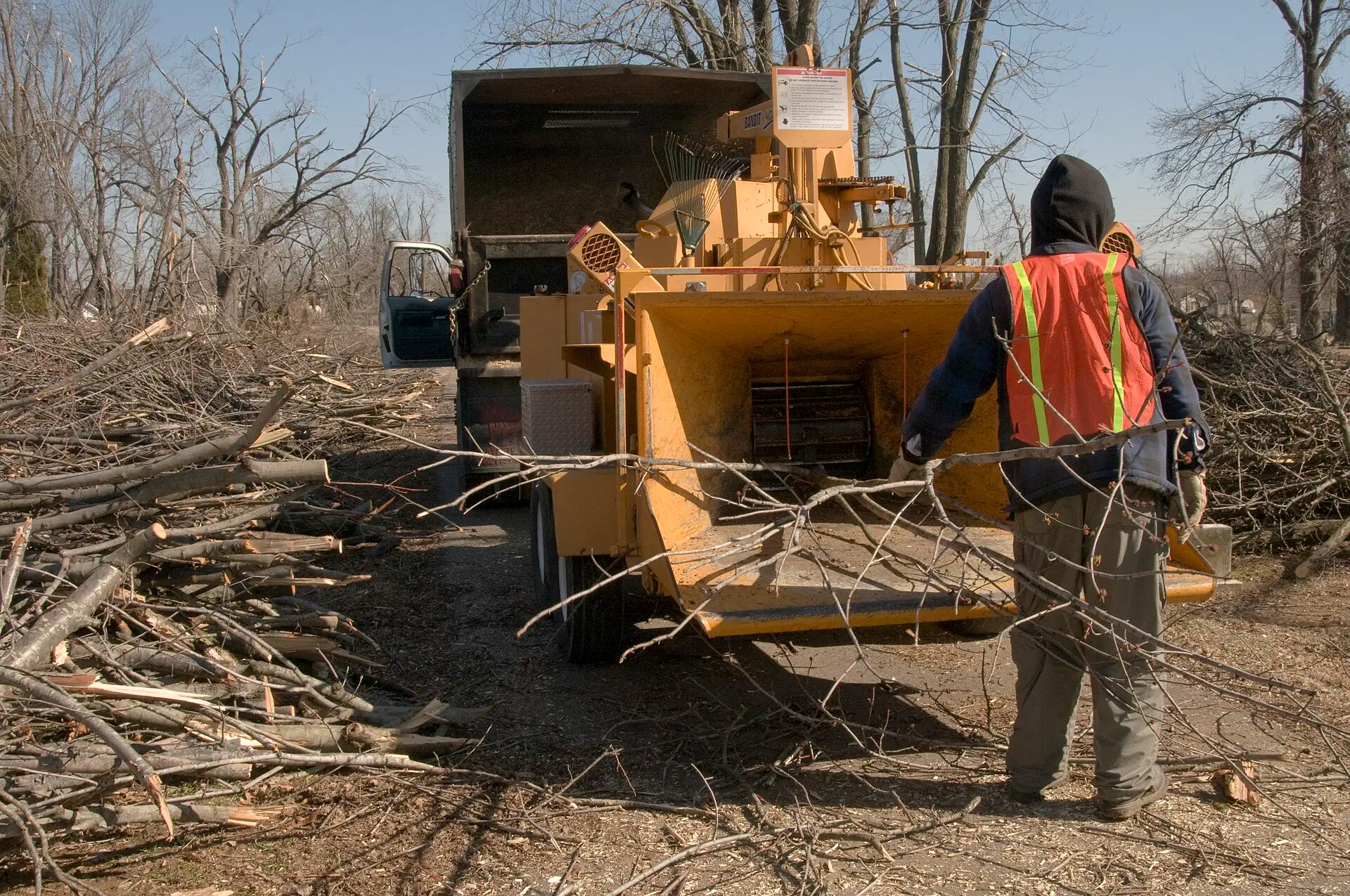
A tree service crew working Wall Township notices the change within a mile of crossing the line: the ground stops holding trees the way it does back in Howell Township. The two towns were one until 1851 and still share Allaire State Park, but Wall keeps running east until it reaches tidewater, and that changes how a tree is anchored.
Much of the township sits on fast-draining sand. The Manasquan River along the southern boundary marks the old divide between loamier soil to the north and sandier ground south of it, and the sandy side wins across much of Wall. It shapes what to watch for:
- Loose anchorage in the sandy uplands. Excessively drained sand gives roots less to grip, so a mature oak or pine is likelier to tip whole than snap. Lean, heaved root plates and crown sail should be read before calling a tree sound.
- Wet ground toward Wreck Pond Brook. Poorly drained, frequently flooded soil keeps root systems shallow and feeds butt and root rot. Those trees can look healthy up top while the base quietly loses strength.
- Grade and ravines. Wall’s code counts an average slope of 15% or more as steep, and the ravines cut toward Shark River Park run steeper still. Removals on that ground get rigged and lowered, never dropped.
- Lots from six acres down to 5,000 square feet. Allenwood zoning runs to five- and six-acre minimums, so land clearing there is real work, and the township’s soil chapter wants trees, stumps and brush hauled off monthly rather than buried on site. Out by West Belmar, pre-war lots carry big crowns over small houses, where careful takedowns and clean stump grinding beat horsepower.
Wall keeps its tree rules inside the land use code. A permit is required to remove a live tree more than three inches in diameter measured two feet above the ground, though a homeowner clearing trees on their own residence lot is exempt — not for right-of-way trees, and not where a subdivision application is pending. Specimen trees are held to tighter thresholds, including flowering dogwood and American holly at three inches. A standalone application carried a $500 fee at last check; confirm with the township, since fees change by ordinance.
Late winter is when this work pays off most. Pruning before leaf-out shows structure plainly and takes deadwood and heavy limbs off the crown ahead of summer squalls and fall nor’easters — a full canopy over saturated sand is what puts trees on roofs around here. Storm damage comes year-round. For everything else, ask for a free estimate and get on the calendar before the weather picks the date.
Services available in Wall Township
Need help in Wall Township? Free estimates.
Free Quote — Wall Township, NJ
Free to ask. No obligation.